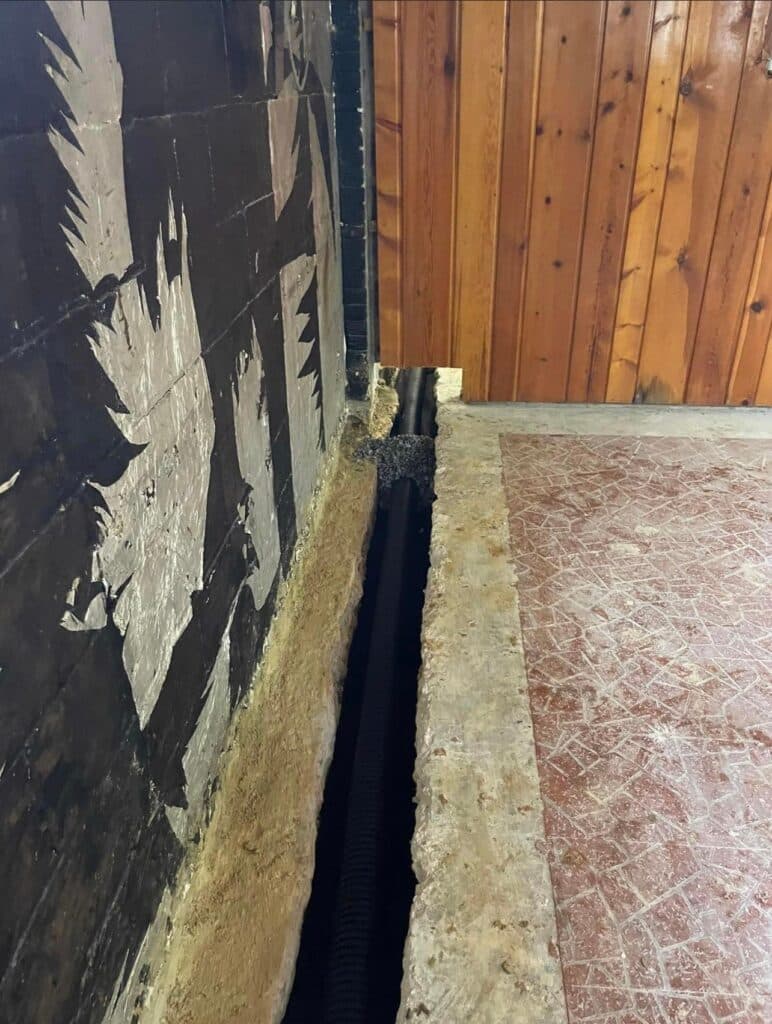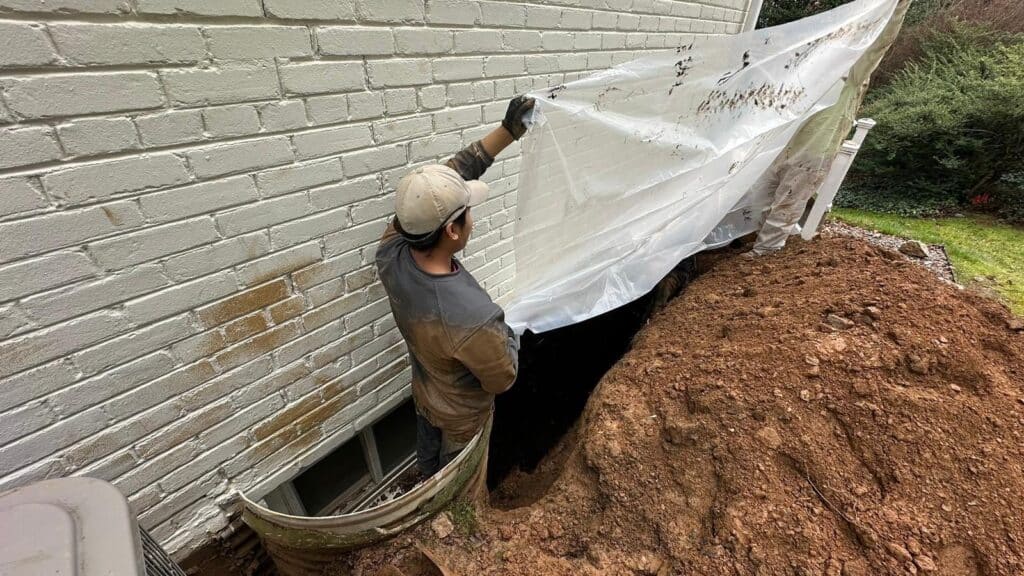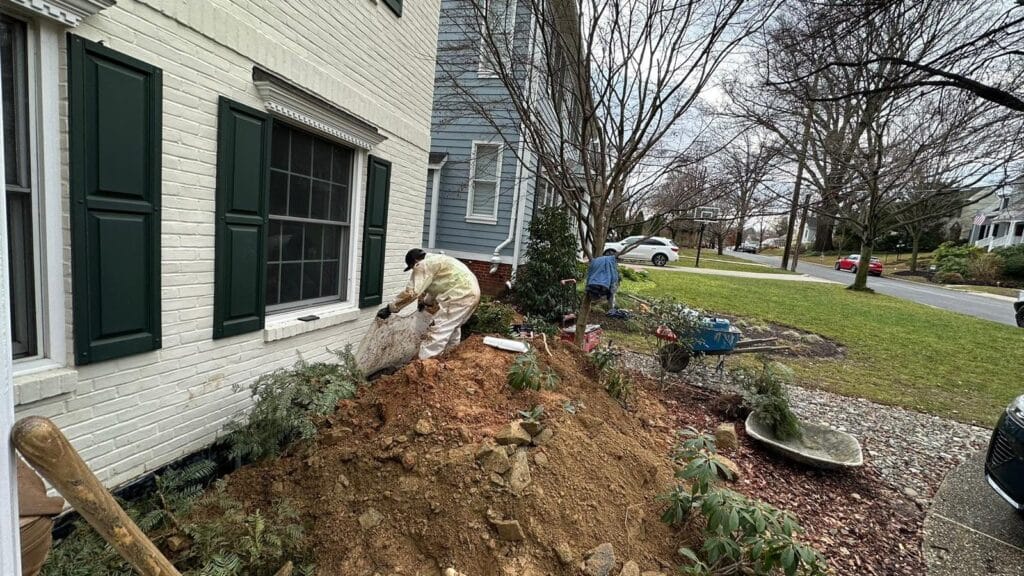
Ever walked into your basement after a storm to find a mini swimming pool? Not fun, right? Dealing with home floods can be overwhelming. You might hear terms like “emergency water mitigation” and “complete restoration” thrown around by professionals. But what do they actually mean? This guide breaks down the differences between these two critical services and helps you figure out which one your soggy situation needs.
Get Help Now
Advanced Restoration Solutions offers damage restoration services in Maryland, Virginia, and Pennsylvania.
Understanding Water Mitigation: First Response to Flood Damage
When disaster strikes in the form of a burst pipe or flooding, immediate action is crucial. Water mitigation is the first response to prevent further harm to your property. Think of it as the urgent care of home repairs – it stops the bleeding before treatment begins.
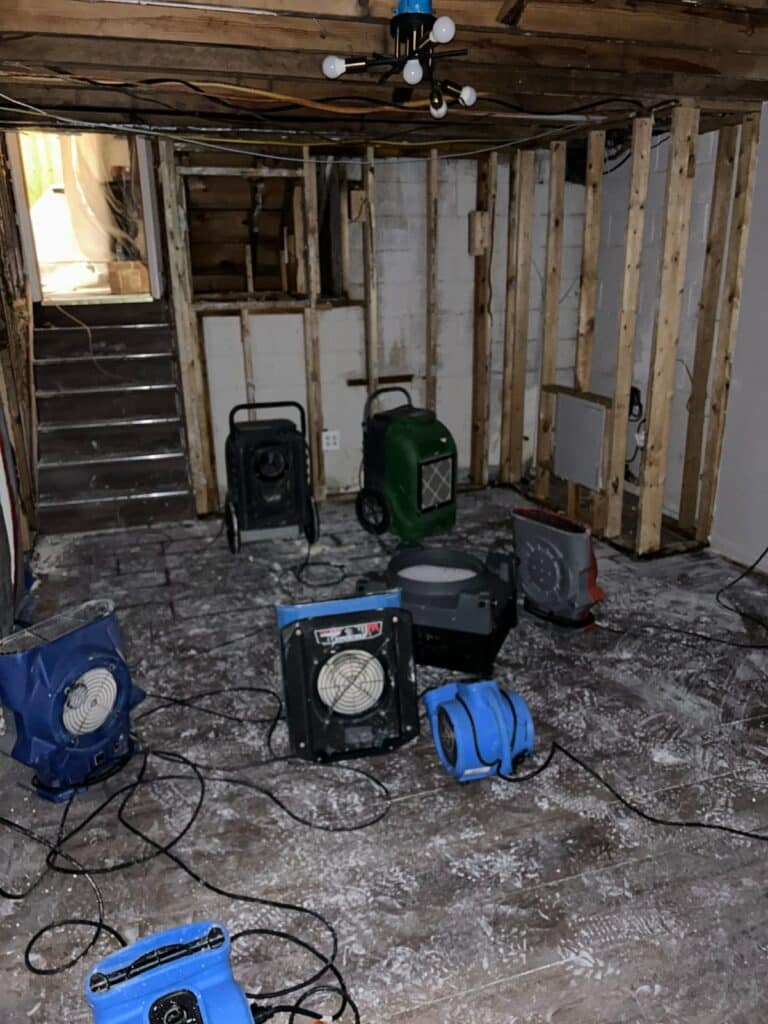
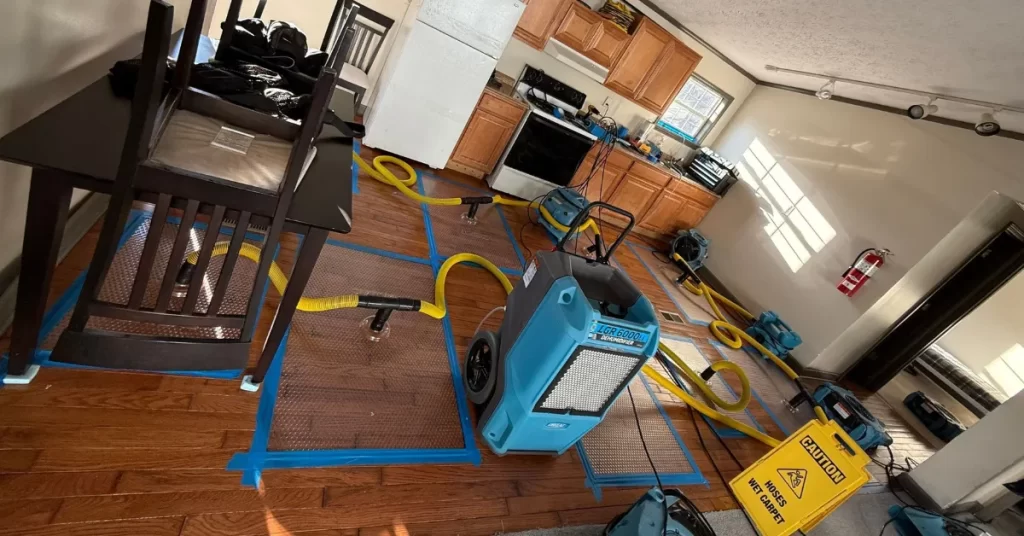
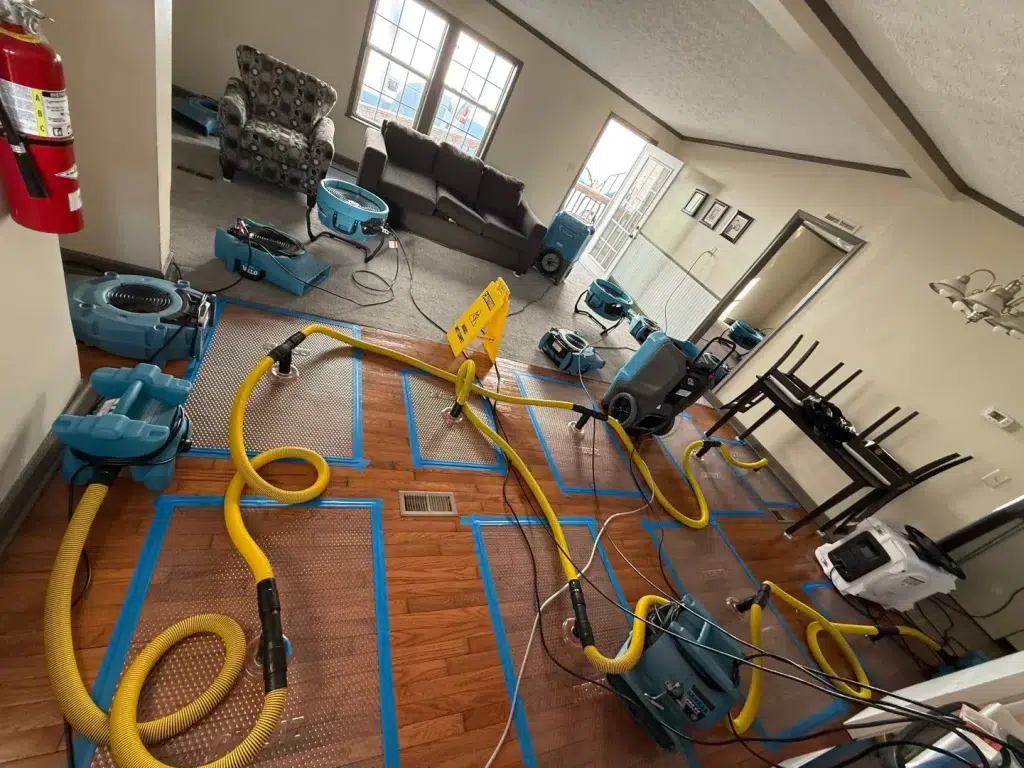
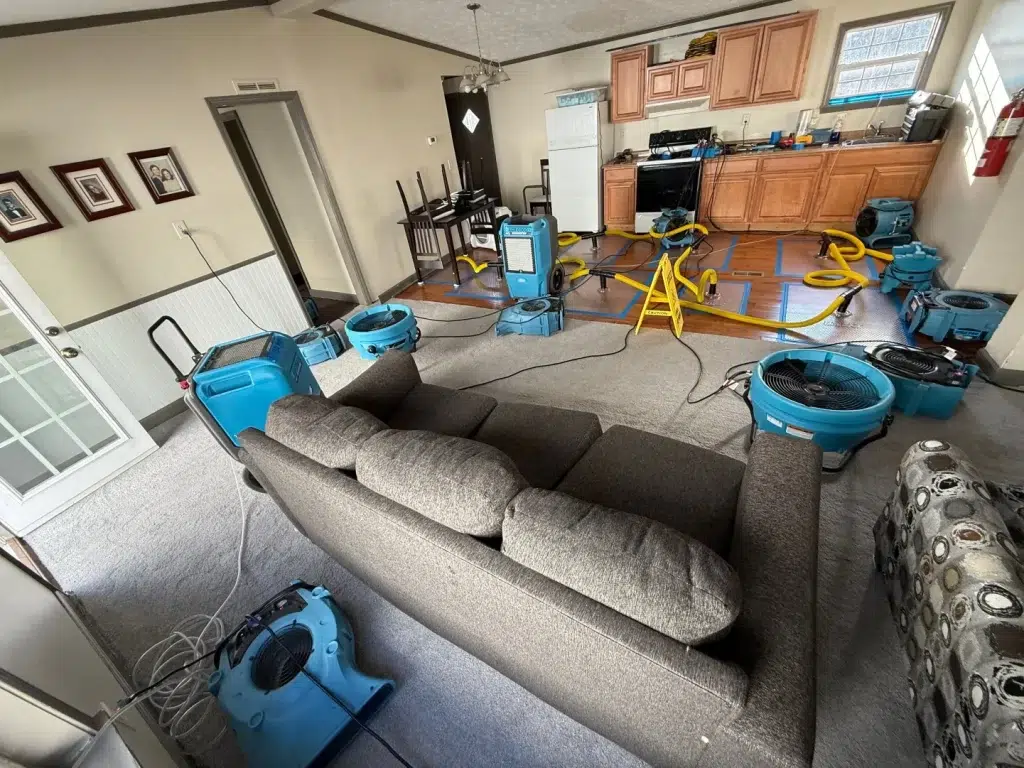
This initial phase involves removing excess moisture, drying affected areas, and preventing mold growth. Professionals use specialized equipment like industrial fans, dehumidifiers, and moisture meters to tackle the immediate threat. The faster this process begins, the less damage your home will suffer in the long run.
The Goals of Emergency Water Mitigation
The primary aims of quick response services include:
- Stopping the source of incoming moisture
- Removing standing liquid from the property
- Drying out affected materials and spaces
- Preventing mold development
- Salvaging as many belongings as possible
These steps aren’t about making your home pretty again – they’re about preventing the situation from getting worse. Effective mitigation is all about damage control in its purest form.









The Complete Water Damage Restoration Process
After emergency water damage mitigation concludes, the restoration phase begins. This comprehensive process focuses on returning your home to its pre-flood condition. The restoration work is more thorough and typically takes longer than the initial emergency work.
The recovery journey includes repairing structural damage, replacing unsalvageable materials, and addressing aesthetic concerns. The restoration team might need to replace drywall, repair flooring, repaint walls, or even rebuild sections of your home. This phase also tackles hidden issues like potential electrical problems or compromised building materials that weren’t obvious during the initial emergency.
Water Mitigation vs. Water Damage Restoration: Key Differences
Time is the biggest difference between these services.Mitigation happens immediately after the incident and usually lasts a few days. The full restoration process can take weeks or even months, depending on the severity.
Purpose separates them too. This process aims to stop active damage, while restoration focuses on repairing and rebuilding. Think of it like treating a cut – first you stop the bleeding (mitigation), then you clean and bandage the wound.
Cost structures also differ. Water mitigation services often charge for equipment usage and labor hours, while restoration expenses typically include materials and skilled craftspeople like carpenters, painters, and flooring specialists.
When to Call a Professional Water Mitigation Company
You might wonder if you can handle small leaks yourself. For minor incidents like a small overflowed sink that’s quickly mopped up, DIY approaches might work. However, several situations demand professional water mitigation help:
When moisture has been present for more than 24 hours, professionals should assess potential mold growth. Areas larger than 10 square feet of affected flooring or walls need specialized equipment. Category 2 (washing machines, dishwashers) or Category 3 (sewage, flooding) liquid requires professional safety protocols.
Making the Right Choice for Your Water Restoration Needs
Consider the extent of damage when deciding which services you need. Sometimes you’ll need both emergency services and complete restoration work. Other times, just one service will suffice.
Ask potential companies about their certification with the Institute of Inspection Cleaning and Restoration Certification (IICRC). This ensures they follow industry standards. Also, check reviews from previous customers to gauge reliability. Don’t forget to contact your insurance company right away – most policies cover these services but require prompt reporting.
Remember that quick action saves money in the long run. The longer moisture sits in your home, the more extensive (and expensive) the damage becomes. When in doubt, at least get a professional assessment to understand what you’re dealing with.
FAQ
How do I prevent further damage from occurring to my home or business?
Act fast by shutting off the main supply valve immediately. Remove valuable items from affected areas. Use towels to soak up moisture. Open windows for airflow. Call professionals quickly – delays worsen issues and increase repair costs.
What are the common causes of water damage?
Burst pipes from freezing temperatures top the list. Leaky roofs during heavy storms. Faulty appliances like dishwashers and washing machines. Clogged gutters causing overflow. Sewer backups. Basement seepage during heavy rainfall. Foundation cracks letting moisture seep in.
Do you need remediation services?
You’ll need professional help if moisture has been present over 24 hours, affected areas exceed 10 square feet, or contamination involves sewage. DIY isn’t recommended for extensive situations. Professionals have specialized equipment to detect hidden moisture and prevent mold growth.